Strategy & Growth Partner
Positioning & Brand Strategy for AI, Fintech, Blockchain & Deep Tech
Turning complex, high-friction products into categories the market understands and trusts.

People don't trust tech they don't understand.
My name is Daria. Think of me as your Chief Trust Officer.
I get deep into your product, market, your hopes and fears. Then I challenge assumptions, sharpen what's unclear, and figure out what's worth saying.
Services
What We Build Together
When you work with me, you aren't buying marketing execution or ad spend management. You are investing in the strategic engine that drives your entire market entry and growth:
01
Positioning & Market Analysis
Understand where the market is going, what makes you different, and where you can credibly win.
02
Product & Employer Brand Strategy
Build a product or employer brand with a clear point of view, a compelling story, and language people remember.
03
Founder-Led Marketing
Turn founder expertise into market authority and build a public presence that makes people trust the company behind it.
04
Fresh Eyes
Already built a website, pitch deck, presentation, or brand identity? Send it my way for a sharp outside perspective on what works and what I'd change.
Selected Work
All projects →
DecentWealth: GTM, Positioning & Communication Strategy for a Privacy-First Portfolio Tracker
DecentWealth is a privacy-first dashboard for stocks, ETFs, crypto, and dividends. Strong product, a zero-to-one launch, and a founder who needed a story people would repeat.
GTM Strategy and Narrative, Positioning & Product Messaging, Content Strategy, SEO and GEO-optimized content, Founder-Led Marketing, Pitch Strategy
Read case study →
Decentralized Voices: 70 Podcast Episodes With Top Web3 and AI Builders
The podcast where web3 and AI builders share the real decisions behind shipping, scaling, and surviving. 70 episodes. Listeners in 40+ countries. Guests from Centrifuge, Matter Labs, Chronicle, OKX.
Brand Strategy, Content Strategy, Founder Positioning, Podcast Production, Partnerships
Read case study →
ETHWarsaw: Marketing Strategy & Communications for a Major Ethereum Conference
I built and implemented the marketing communications strategy for a major European Ethereum conference: 1,000+ builders, big blockchain players among the sponsors, and a tech cult brand in CEE.
Marketing Strategy, Community Building Activities, Content Management, Social Media Management, Event Organizing
Read case study →Daria Strategy Vlog
Tech philosophy for people who hate tech content
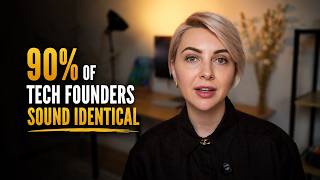
Almost every cultural habit in the tech industry is encoding a go-to-market decision. The videos are me reading that code out loud. If the way I think is useful to you, the channel is where you can watch me do it at length, for free, long before we ever talk.
Watch the vlog →

FAQ
Founders Ask Questions
A positioning and brand strategist decides what a company says before anyone builds the channels to say it in. In practice that means three things: analysing the category and competitors to find a position you can credibly defend, turning the product's value into a narrative that buyers, investors, and talent can repeat, and translating that into the messaging, verbal identity, and creative direction your team executes against. It is strategy work, not marketing execution — no ad spend management, no campaign delivery.
AI and deep tech founders whose product is technically impressive but hard for the market to grasp, B2B and SaaS teams whose messaging is as complex as their product, fintech and Web3 companies that need credibility in markets where trust is scarce, CTOs growing into the CEO role, hiring teams building an employer brand, and VCs whose portfolio companies can't articulate their unfair advantage.
Four things: Positioning & Market Analysis (category and competitive strategy, positioning, blue-ocean mapping), Product & Employer Brand Strategy (brand narrative, messaging architecture, creative direction, employer brand), Founder-Led Marketing (founder positioning, content system, public presence), and Fresh Eyes — an outside review of a website, pitch deck, presentation, or brand identity you have already built.
Email hey@dariastrategy.com with what you're building and where the market isn't getting it. The first conversation is about diagnosing the actual problem — whether it's positioning, narrative, or distribution — before scoping anything. If the product is brilliant but the market doesn't understand it yet, that's a good sign we should talk.
Product positioning sounds like a copycat? Social media doesn't add value? Your public talks look like performative thought leadership?